
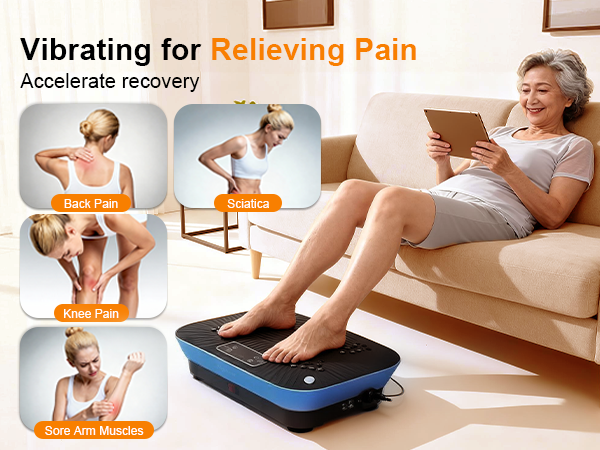
Osteoporosis is a common condition, especially as we age, causing bones to become weaker and more prone to fractures. Because of this, many people are searching for low-impact ways to support bone health. One option that often comes up is vibration plates.
But what does science actually say about vibration plates and osteoporosis? Can they improve bone density, or are they just another fitness trend? Let’s take a clear, evidence-based look.
What Is a Vibration Plate?
A vibration plate is a fitness device that produces rapid mechanical vibrations while you stand, sit, or perform exercises on its surface. These vibrations cause muscles to contract and relax repeatedly, which may stimulate muscles, circulation, and balance.
This approach is often referred to as whole-body vibration (WBV) or vibration therapy, and it has been studied in medical, rehabilitation, and fitness settings.
Why Vibration Therapy Is Considered for Osteoporosis
Bones respond to mechanical stress. Traditional weight-bearing exercises like walking or strength training help maintain bone density because they load the skeleton.
Vibration therapy aims to mimic some of this mechanical stimulation—but in a lower-impact way. That’s why vibration plates are sometimes discussed as an option for people who have difficulty performing high-impact exercises.
What Does Research Say About Bone Density?
Bone Density Results Are Mixed
Scientific studies on vibration plates and osteoporosis show mixed results. Some research suggests that vibration therapy may help slow bone loss, while other studies find little or no significant improvement in bone mineral density, especially in postmenopausal women.
Differences in vibration frequency, intensity, duration, and participant health make results difficult to compare across studies. As of now, there is no strong evidence that vibration plates alone can significantly increase bone density.
Potential Benefits Beyond Bone Density
Even though the direct effect on bone density is still uncertain, vibration plates may offer important indirect benefits for people with osteoporosis:
Improved Muscle Strength
Vibration causes muscles to activate more frequently, which can help maintain or improve lower-body and core strength.
Better Balance and Stability
Improved balance and coordination can reduce the risk of falls—one of the leading causes of fractures in people with osteoporosis.
Low-Impact Movement Option
For individuals who cannot tolerate high-impact exercise, vibration plates provide a gentle way to stay active.
Enhanced Circulation
Vibration may help stimulate blood flow, supporting overall physical function and mobility.
How to Use a Vibration Plate Safely With Osteoporosis
If you’re considering vibration therapy, safety is essential.
Talk to Your Healthcare Provider
Always consult a doctor or physical therapist before starting, especially if you have diagnosed osteoporosis.
Use Low to Moderate Settings
Research typically focuses on low-frequency, low-amplitude vibration, which is considered safer for bone health.
Keep Sessions Short
Most studies use sessions of 10–20 minutes, not extended workouts.
Combine With Proven Strategies
Vibration plates should be used as a supplement, not a replacement, for:
- Weight-bearing exercise
- Strength training
- Adequate calcium and vitamin D intake
Who Should Avoid Vibration Plates?
Vibration plates may not be appropriate for everyone. People with the following conditions should avoid or use them only under medical supervision:
- Recent fractures
- Severe osteoporosis
- Joint replacements during recovery
- Cardiovascular conditions
- Blood clots
- Pacemakers
- Pregnancy
Final Thoughts: Do Vibration Plates Help Osteoporosis?
Vibration plates are not a cure for osteoporosis, and they should not replace medical treatment or traditional exercise. However, they may be a useful supportive tool for improving muscle strength, balance, and overall movement—factors that play a key role in reducing fall and fracture risk.
When used appropriately and as part of a broader bone-health plan, vibration plates may offer meaningful benefits for some individuals.
A Note on Choosing the Right Vibration Plate
If you’re exploring vibration therapy at home, look for a vibration plate designed with stable construction, adjustable intensity levels, and smooth vibration output. Home-friendly models from brands like Hophorse are built with everyday users in mind, offering controlled vibration settings suitable for gentle, low-impact use.
You can learn more about vibration plate options and beginner-friendly guidance at Hophorse Official
Share:
What Level Should My Vibration Plate Be On?
How Often to Use a Vibration Plate: A Practical Guide